
Wellness • Tea Rituals • Ziba Tea
A quiet look at why loose leaf tea and botanical blends are finding their way back into daily life.
Tea has always been more than something to drink. Across many cultures it has been a pause in the day, a small ritual that creates warmth and clarity. From the mountains of China to Persian homes and Ayurvedic traditions in India, tea has quietly held a place in everyday life.
Modern research is now beginning to explain why. Tea contains polyphenols and other plant compounds that have been studied for their antioxidant and cardiovascular supporting effects. Scientists have also explored how regular tea consumption may influence metabolic balance and long term wellness.
At the same time many people have begun to notice that not all tea feels the same. Mass produced tea bags often lose the aromatic oils that give tea its depth and character. What remains is a version of tea that is convenient but often lacking the richness of whole leaf tea.
That realization has quietly pushed many people back toward traditional tea preparation and higher quality leaves.
Why Loose Leaf Tea Makes a Difference
Whole tea leaves preserve the natural oils and polyphenols responsible for both flavor and potential health benefits. Studies examining tea polyphenols suggest that compounds such as catechins and flavonoids may support vascular health and help reduce oxidative stress.
These findings mirror something tea drinkers have understood for generations. When tea is carefully grown and prepared, the experience feels different. The aroma is fuller, the flavor deeper, and the ritual itself more grounding.
Herbs and Spices in Traditional Tea
Many tea traditions extend beyond the leaf itself. Herbs and spices are often added to create warmth and balance.
- Cardamom is traditionally used to support digestion.
- Cinnamon brings warmth and a gentle sweetness.
- Rose petals soften the aroma and uplift the senses.
- Saffron has been studied for compounds associated with mood and antioxidant activity.
These ingredients have long appeared in Persian and Ayurvedic preparations where food and medicine were never truly separate.
A Modern Interpretation
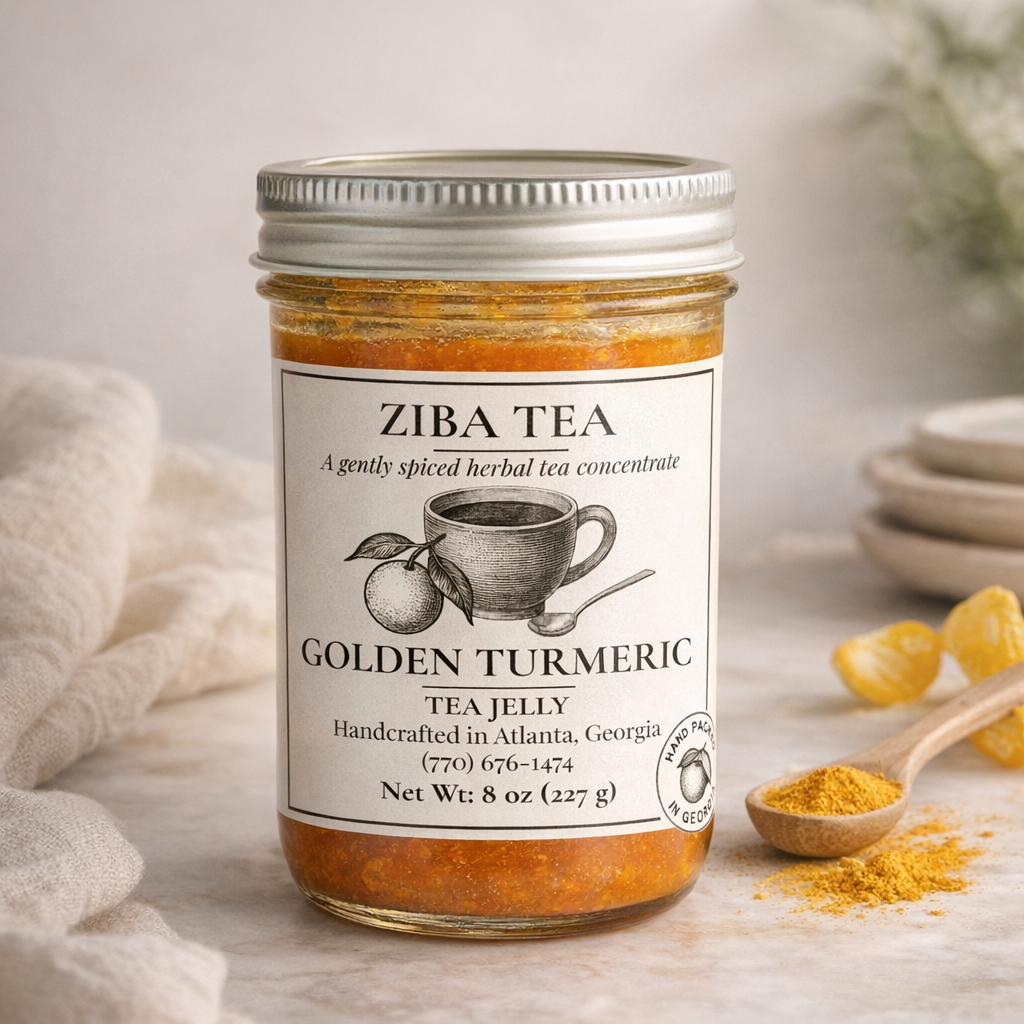
While tea rituals remain timeless, creative approaches continue to appear. One of the more interesting modern expressions is tea jelly (https://zibatea.com/product/golden-turmeric-tea-jelly/). Instead of drinking the infusion, brewed tea is slowly reduced with fruit and spices into a concentrated spread.
The result captures the fragrance of tea in a different form. A small spoonful can carry the same notes that would normally unfold in a cup.
At Ziba Tea this idea shapes the way our blends are created. Premium loose leaf tea is paired with botanicals such as ginger, turmeric, citrus, cinnamon, and rose to create something that feels both traditional and contemporary.
Returning to a Simple Ritual
What makes tea special is its simplicity.
- A quiet cup in the morning
- A pause in the afternoon
- A gentle ritual at the end of the day
These moments accumulate over time. When the tea itself is thoughtfully crafted, they become small anchors of calm in a busy schedule.
Sometimes wellness begins with something simple. Water, leaves, a little patience.